Chicken coop ventilation can be placed in several areas depending on your climate. chicken coop ventilation winter months should be up high. ideally, you want the vents to be above the head so that you don’t let in a direct stream of cold air. and for hot weather, you want ventilation lower to the floor and even at roosting and nesting height.. This way of keeping heat inside a chicken coop is by far the best first step one can take. if you live somewhere with more mild winters, simply checking the structure of your chicken coop for any large openings and sealing them up can go a long way. keep an eye out for obvious damage, like rotting, cracks, or holes.. Our top choice for a chicken coop is easy to assemble, weather-resistant, and a safe place to keep your egg layers. the snaplock formex chicken coop is made from sturdy, double-walled plastic (much like a storage shed) and can accommodate about a half-dozen birds, depending on the breed..


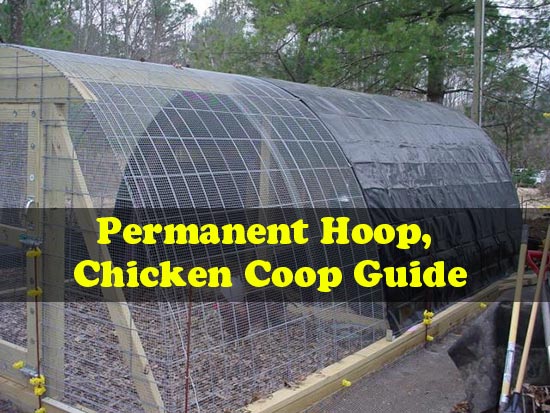
In hot weather, a chicken will shed the downy layer of feathers to stay cool. in winter, they will grow back the down to stay warm. a chicken has a resting temperature of 105 to 109 degrees f. they have a very fast heartbeat of 400 bpm which boosts their metabolism and helps them produce and retain heat when the temperatures drop.. Chickens get very uncomfortable in warm and hot weather the reason most chicken coops should be built in the shade, if possible, is because chickens tend to really struggle with the heat. a cool coop in the summer is, in most cases, more important than a warm coop in the winter.. Also, its best to opt for the bantam chicken breeds (that don’t have feathered feet) - the smaller the bird, the less heat they will generate, the better they’ll cope with warm weather. chicken breeds that are the most suited to warm climates (according to keeping chickens, 1st edition)..


0 komentar:
Posting Komentar